Farming wealth
Looking after farming family wealth, after the sale and for the long run
Farming wealth is built slowly. It sits in country, livestock, water, and plant, spread across a family trust, a company, and often an SMSF, and it arrives with the seasons rather than a pay cycle. For most of a family's life it hardly looks like money at all. Then a sale, or part of one, settles, and decades of work turn up as one large figure in an account. Larapinta Private looks after that money for agricultural and pastoral families: helping put it to work when it lands, then protecting it for the long run, with your accountant and solicitor kept in the picture the whole way.
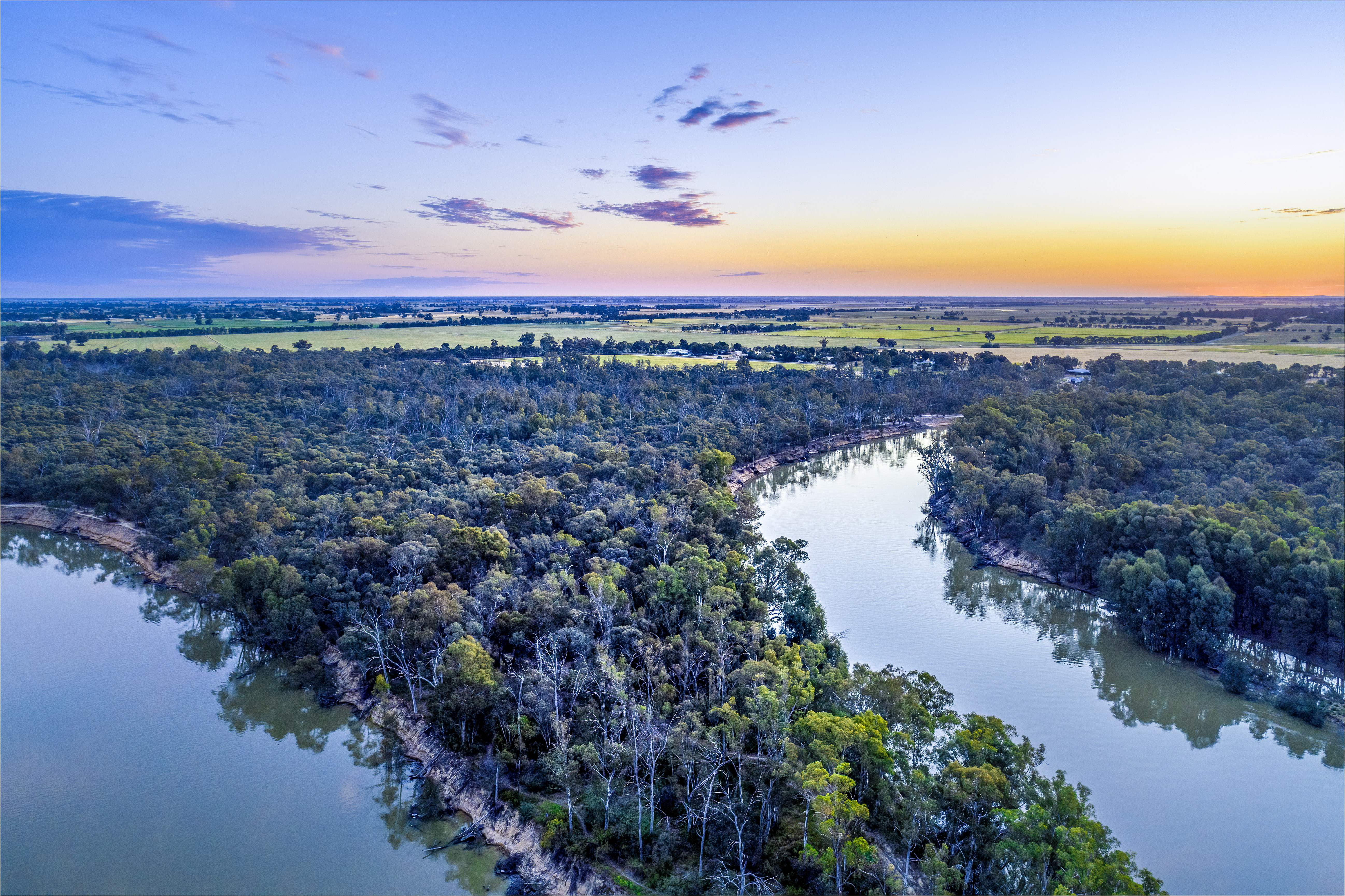
There's no hurry in that first season, and there shouldn't be. The river this firm is named for gets where it's going by accumulation rather than effort, and family wealth tends to last the same way.
What farming wealth looks like
Farming wealth is wealth built in and around the land. It sits in country, livestock, water entitlements, and plant, and in the business that works them. It's usually held in several hands at once: a family trust, a company, an SMSF, and often the parents personally, each with its own rules.
It also arrives differently. A farm pays in lumps, after harvest, a livestock turn, a lease payment, or a sale, and very little in between. Plans built around a monthly pay cycle don't fit it.
And it's concentrated. Most of what the family owns sits in one asset, in one district, under the same weather. That concentration is usually how the wealth was built, through decades of not selling. It's also why farming wealth hardly looks like money for most of a family's life.
It doesn't behave like wealth built in a city, so it shouldn't be looked after as if it did.
When the land becomes money
The first season after a sale
Sooner or later, many families sell. Sometimes it's the whole place, sometimes part of it, sometimes an outblock that never quite fitted the operation. The contract settles and the money lands. It's a strangely quiet moment, and the phone usually starts ringing soon after.
There's no prize for moving quickly. The first job is working out what's actually yours to invest once debt, tax, any replacement land, and other family members' shares are accounted for, and that figure is often well below the sale price. The tax side belongs with your accountant. We've written about the first weeks after a sale in more detail.
Giving each part of the money a job
Once the real number is known, the useful questions are about time rather than products. What will the family need over the next few years? What's meant to last and reach the next generation? And what would you like to be able to act on quickly, whether that's land coming up next door or a child who needs a hand?
Each answer suits a different kind of holding. Near-term needs sit in cash, term deposits, and fixed income. Money meant to last is invested for decades. How the portfolios are built follows the same logic, so each part of the money does its own job and none is asked to do another's.
Protecting it from there on
This is the work Larapinta Private exists for: looking after large sums after a sell-down, then protecting them year after year for the family that comes next.
Replacing what the farm used to pay
For most families the farm was the income as well as the asset. After a sale, that income has to come from somewhere steadier. The plan sets aside what the family will draw on over the next few years, so long-term holdings are never sold just to meet this year's bills.
Not swapping one concentration for another
A family that has spent a lifetime with nearly everything in one asset will sometimes buy another single large thing, because it feels familiar. Spreading the money across asset classes, managers, and time is less exciting. It's also what protection usually looks like.
Patience as the method
We manage to the generation, not the quarter. Over a short horizon, markets moving up and down looks like risk. Over thirty years it's closer to the price of admission, and a family that never has to sell at the wrong time can afford to treat it that way.
Who holds the money
Larapinta Private is not a bank, and we never take custody of a family's money. Investments are held in your own name or your family's structures, or on trust for you by a separate custodian. We look after how it's invested, and somebody else holds it. The detail on who holds the money is on our FAQ.
One picture across your professionals
After a sale, a family's affairs rarely sit in one place. There may be several entities and several owners, siblings' shares to settle, a will written when the children were young, and a different professional looking after each piece.
A family office, in plain terms, is the work of bringing those professionals into one room and keeping them working from the same picture. The tax stays with your accountant. The deeds, wills, and trust documents stay with your solicitor. Your banker and insurance broker keep their parts. Larapinta Private holds the whole picture: we convene the right people, sequence the work, and project-manage the decisions that cut across tax, legal, succession, and investment, so nothing falls into the gap between them.
We coordinate. We don't replace. Most families come to us with an accountant and a solicitor they've trusted for decades, and they stay. Where succession is part of the picture, it often starts with something as ordinary as an equal-split will that needs reading again with the farm in mind.
The tax stays with your accountant. The deeds stay with your solicitor. We hold the whole picture.
If a sale is coming, or has just settled, it's worth a conversation before the money is committed.
Request an Introduction →Still on the land?
Not every family has sold, and many never will. Before a sale the work looks different: building capital beside the farm out of the good years, so the family is less exposed to one asset and one district without selling country. We've written about building wealth beside the farm.
Sometimes a slow build won't get the family where it needs to go, and holding, consolidating, selling part, or selling becomes the real question. Those are family decisions, and we help think them through with your accountant and solicitor in the room.
Who we work with
Larapinta Private works only with Australia's agricultural, pastoral, and regional families whose wealth sits in and around the land: grazing, broadacre, horticulture, and pastoral. The kind of operation matters less than the shape of the wealth: substantial, spread across entities, and tied to country.
It's the whole firm, not a rural desk inside a bigger one. Larapinta is founder-led and privately owned, and Troy Armstrong leads every relationship personally.
Questions families ask about farming wealth
What is farming wealth?
Farming wealth is wealth built in and around the land: country, livestock, water, plant, and the business that works them, usually held across a family trust, a company, an SMSF, and the parents personally. It tends to be concentrated in one asset and one district, and it's paid in lumps with the seasons, so it needs looking after differently from wealth built in a city.
What happens to farming family wealth after the farm is sold?
It changes shape. Land that took decades to build becomes a large sum of money, often split across several owners and entities. The first job is working out what's actually yours to invest once debt, tax, any replacement property, and family shares are accounted for. After that, each part of the money needs a job: what you'll draw on soon, what's meant to last, and what you'd like to be able to act on quickly.
How do you protect wealth after selling the farm?
Mostly with patience and structure rather than cleverness. That means setting aside what the family needs in the next few years so long-term holdings aren't sold at a bad time, spreading the rest across asset classes rather than buying another single large asset, holding investments in the family's own name or structures, and reviewing the plan as the family changes.
Should sale proceeds just sit in the bank?
For a while, often yes. There's no prize for moving quickly, and some of the money will be needed for tax and near-term costs. Left there for years, though, a large sum is exposed to inflation and tends to drift without a plan. The useful step is deciding what each part of the money is for, then investing it in stages that suit those jobs.
Does a farming family need a family office?
Not every family does. Where it helps is when the wealth is substantial and spread across trusts, companies, an SMSF, and several family members, and the accountant, solicitor, banker, and insurance broker each see only one part. A family office keeps everyone working from the same picture and project-manages the decisions that cut across tax, legal, succession, and investment, especially around a sale.
Will we have to leave our accountant or solicitor?
No. The tax stays with your accountant and the deeds stay with your solicitor. Larapinta Private doesn't replace either of them. We hold the whole wealth picture, bring the right people together when a decision cuts across their areas, and make sure the plan they're each working to is the same one.
Is Larapinta Private a bank?
No. Larapinta Private is a privately owned wealth management and family office firm for agricultural and regional families. We look after how the family's wealth is invested and coordinated, but we never take custody of the money. Investments are held in your own name or structures, or on trust for you by a separate custodian.
More questions families ask are on our FAQ.