The Larapinta View · Private Letter
On the postcode of good advice
Good advice pools where the money is easy to reach. The infrastructure caught up a decade ago, and still nobody drove out.
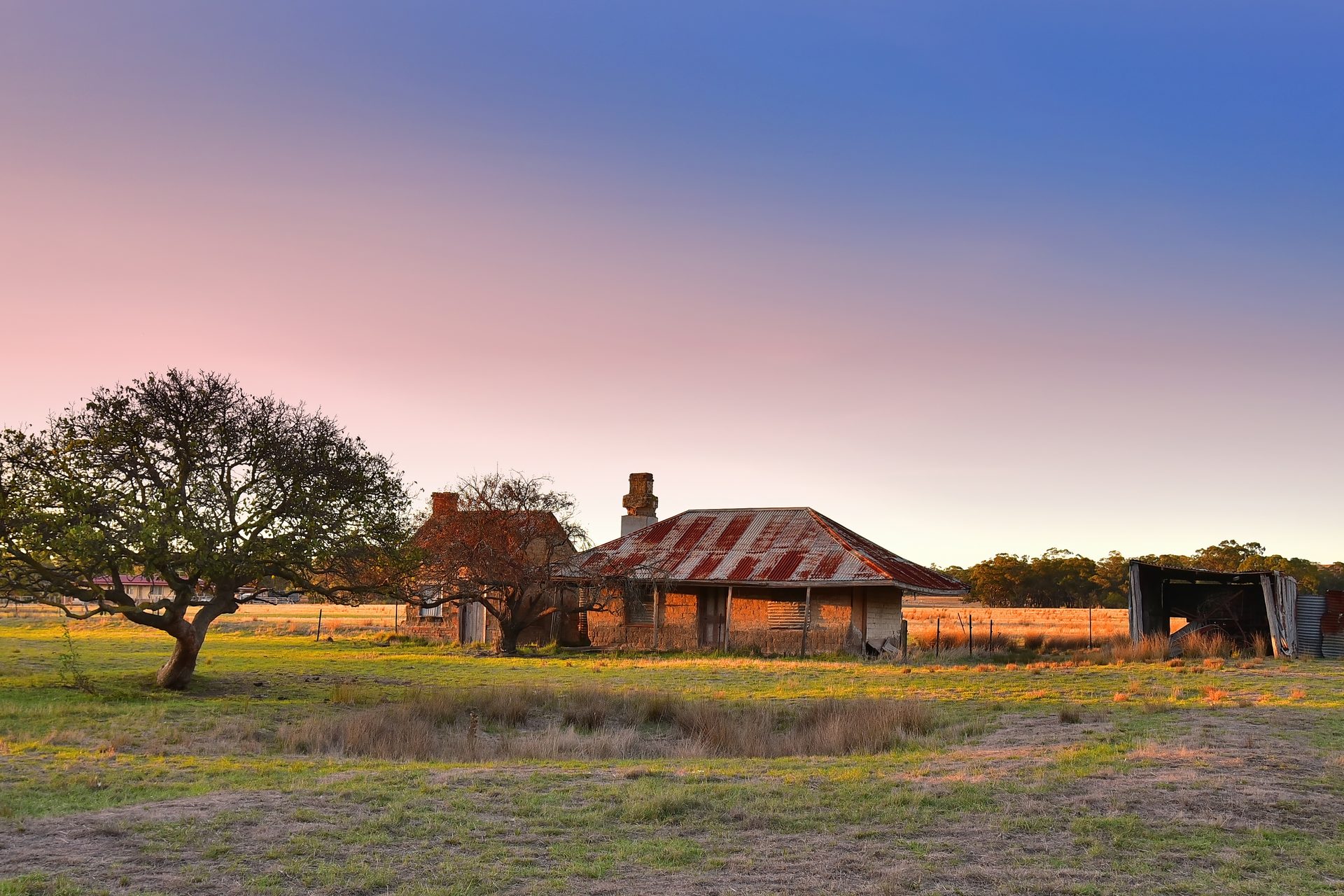
There's a property in the Riverina I think about often. Third generation. A balance sheet bigger than plenty of the businesses on Collins Street.
For forty years, the wealth it threw off was looked after by whoever happened to be closest. The local accountant did the tax. The bank did the lending. The family did everything in between.
Nobody did it badly. That's the part people get wrong.
It just never got looked after the way that same money would have been looked after if it had sat three hours south, inside a city. That isn't a story about competence. It's a story about a postcode.
The city's mile
Good advice pools where the money is easy to reach. It always has.
The cities grew their mile of it. Collins Street. Martin Place. Eagle Street. And the families an hour past the last roundabout learned to make do with whatever came out to them.
That was never a judgment on those families. Wool cheques and cropping incomes built a great deal of this country, and held it through droughts that would have folded most balance sheets in the cities they were told to envy.
It came down to something much duller than merit. Who was willing to make the drive, and how few ever thought it was worth their time.
What changed
Here's the fact that matters, and I don't think it's widely known. A family in the Western District can now hold the same institutional-grade portfolio as a university endowment. The same segregated custody. The same research houses the cities have always leaned on. The same terms.
None of it needs a move to the city, a compromise, or a favour asked of anyone.
The infrastructure caught up roughly a decade ago. Platforms, custody, research access — the things that used to need a postcode now need a phone line and someone willing to build on top of them.
What that buys a family isn't a better share tip. It's a Foundation set for the next thirty years and a Conviction sleeve set for the next three to seven. It's access to managers who don't take retail money. It's the room to hold things that pay you for being patient, like forestry and infrastructure and private credit, because no reporting cycle is forcing a decision every ninety days.
So the question isn't whether the capability can reach these families. It's whether anyone's bothered to carry it out to them, and whether the family ever thought to ask.
The investment capability is institutional. The relationship is personal. That's the whole point.
The whole picture
The real cost of the postcode was never performance. It was quieter than that, and it did more damage.
Nobody held the whole picture.
A trust set up in the 1980s when the kids were small. A super fund nobody's opened properly in years. A portfolio a cousin put together. A block bought in a good season and never thought about again.
Every piece defensible. The whole thing never designed.
So the wealth grows and the structure doesn't. A family that plans a cropping rotation five years out ends up working its succession out on the back of an envelope, because the one person who might have helped lived three hundred kilometres away and never once made the drive.
Holding the whole picture means the portfolio gets built around the operating asset instead of pretending it isn't there. Liquidity gets matched to the calendar of the land, to harvest and shearing and calving and the dry years, not to a spreadsheet that assumes every month looks the same. And tax stops being a financial-year problem and starts being a generational one.
None of that is exotic. It's just nobody's job, until somebody makes it their job.
They'll steward the land for a century and leave the wealth beside it to the weather.
That's the bit that keeps me up. Less the returns they missed than the conversations nobody ever started.
The drive
I sat at a kitchen table in the Wimmera this winter — a composite, and the details are changed — where a grandmother asked me, quite plainly, why nobody had ever explained any of this to her family before.
I didn't have a good answer. (I've been accused of plenty over the years, but rarely of being lost for words, so the silence surprised us both.)
I've been lucky enough to spend nearly two decades among families like hers, and what I've worked out is that the answer to her question isn't clever. It's logistical. Nobody drove out.
So we drive out. Four hours, sometimes ten. You sit at the table, you get in the back of the ute, and you listen to three generations talk about the same piece of country. The architecture comes out of that. It doesn't come out of a research note.
That's most of the job, and it's the part that never shows up in a pitch.
The Finke has been running for 350 million years. It doesn't rush, and it's never needed to. Good advice can afford the same patience. It only has to turn up.
Troy Armstrong
Senior Adviser & Founder
BCom (FinPlan), MFinPlan, SSA. Nearly two decades advising agricultural and regional Australian families. Founder of Larapinta Private. Based in the Yarra Valley, Victoria. Authorised Representative (ASIC AR Number 354299) of Capella Advisory Pty Ltd.